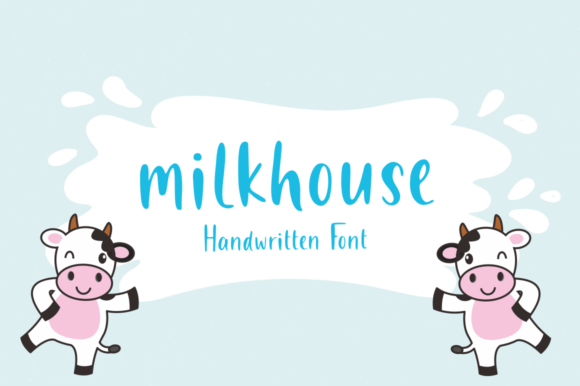
Milkhouse: A Sweet Script Font for Editorial Design
Milkhouse is a handwritten font that brings warmth and personality to any design project. Its soft curves and friendly strokes make it ideal for editorial layouts, branding, and visual storytelling. As part of the Script Amp collection, Milkhouse offers a unique blend of elegance and approachability that can elevate content across multiple formats.
Designed with readability in mind, Milkhouse maintains clarity even at smaller sizes, making it a versatile choice for headings, subheadings, and pull quotes. Its natural flow gives it a handcrafted feel, perfect for creating a sense of authenticity and connection with readers.
Using Milkhouse in Editorial Layouts
In blog headers, Milkhouse adds a personal touch that stands out from standard typefaces. It works well as a headline font for lifestyle blogs, recipe ebooks, or creative guides. When paired with a clean sans serif or readable serif font, it creates a balanced visual hierarchy that draws attention without overwhelming the reader.
For magazine covers, Milkhouse can serve as the main title or a supporting element in a layered design. Its fluid style complements modern typography while adding a human element that resonates with audiences. In ebook titles, it helps establish a brand identity that feels inviting and professional.
Milkhouse for Quote Graphics and Content Branding
Milkhouse is particularly effective in quote graphics, where its expressive character enhances the emotional impact of the message. Whether used in social media posts, email newsletters, or printable planners, it adds a touch of charm that makes content more engaging.
As a brand identifier, Milkhouse can be used consistently across publications to reinforce a cohesive look. For example, a wedding guide might use it for section headings, while a coaching workbook could apply it to chapter openers. This consistency helps build recognition and trust with readers.
Practical Applications Across Media
In a digital magazine, Milkhouse can be used for cover text, article titles, and pull quotes, offering a contrast to body copy set in a more structured font. In a printable planner, it adds a personal flair to daily affirmations or task lists, making the user experience more enjoyable.
For a creator newsletter, Milkhouse can be applied to subject lines, headlines, and callout boxes, helping to capture attention and maintain a warm tone. Its versatility allows it to adapt to different contexts while maintaining a consistent visual language.
Readability and Cross-Platform Considerations
While Milkhouse is primarily a display font, it performs well in short-form text such as headings and captions. When used in longer reading passages, it’s best to pair it with a more legible font to ensure optimal readability on screens, in PDFs, and for print materials.
On mobile devices, its subtle variations in stroke weight help maintain legibility without appearing too ornate. For print, the font’s natural flow ensures a smooth reading experience, especially when used in moderation.
Font Pairing and Design Integration
Milkhouse pairs well with both serif and sans serif fonts, depending on the desired aesthetic. A classic serif like Georgia or Playfair Display can provide a sophisticated contrast, while a modern sans serif like Lato or Open Sans offers a clean, contemporary balance.
When designing for web or print, consider using Milkhouse for accents, logos, or decorative elements rather than body text. This approach maximizes its visual appeal while preserving readability in larger blocks of content.
Commercial Licensing and Usage
For creators using Milkhouse in commercial projects—such as ebooks, templates, printables, paid newsletters, or client publications—it’s important to check the licensing terms. Most premium fonts include clear guidelines for different usage scenarios, ensuring compliance and peace of mind.
Whether you're designing a digital magazine, a printable worksheet, or a branded newsletter, Milkhouse offers a distinctive voice that enhances the overall design. Its friendly and approachable style makes it an excellent choice for content that aims to connect with readers on a personal level.
By integrating Milkhouse into your editorial workflow, you can create designs that feel both professional and heartfelt. Its ability to support visual hierarchy, mood, and brand identity makes it a valuable addition to any designer’s toolkit.